I'm a CFI/CFII based at Essex County Airport (KCDW). I train instrument, commercial, complex, and high-performance candidates, run Mooney transition training, and ferry single-engine aircraft across the country. 800+ hours logged, 550+ of them in Mooneys.
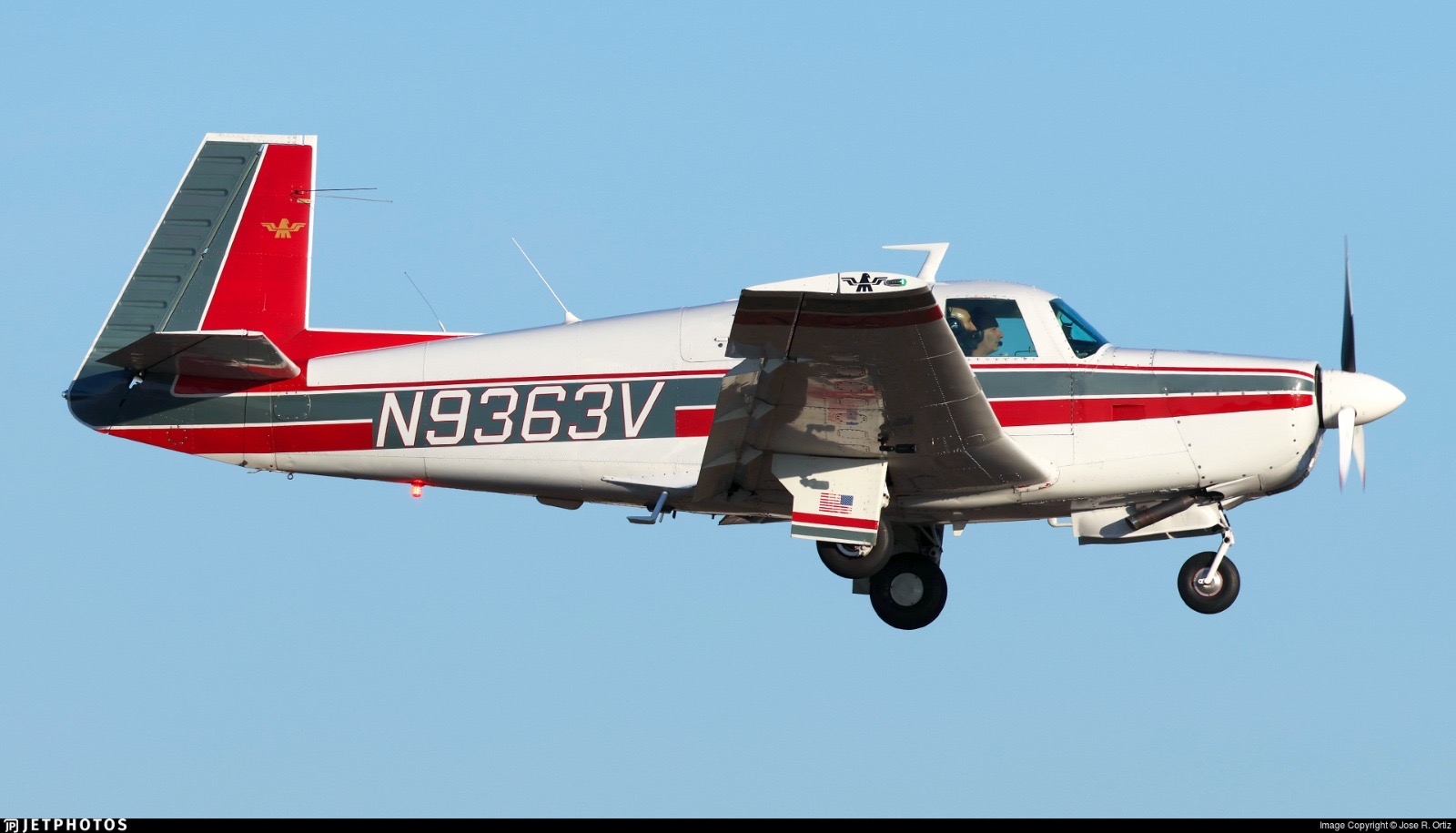
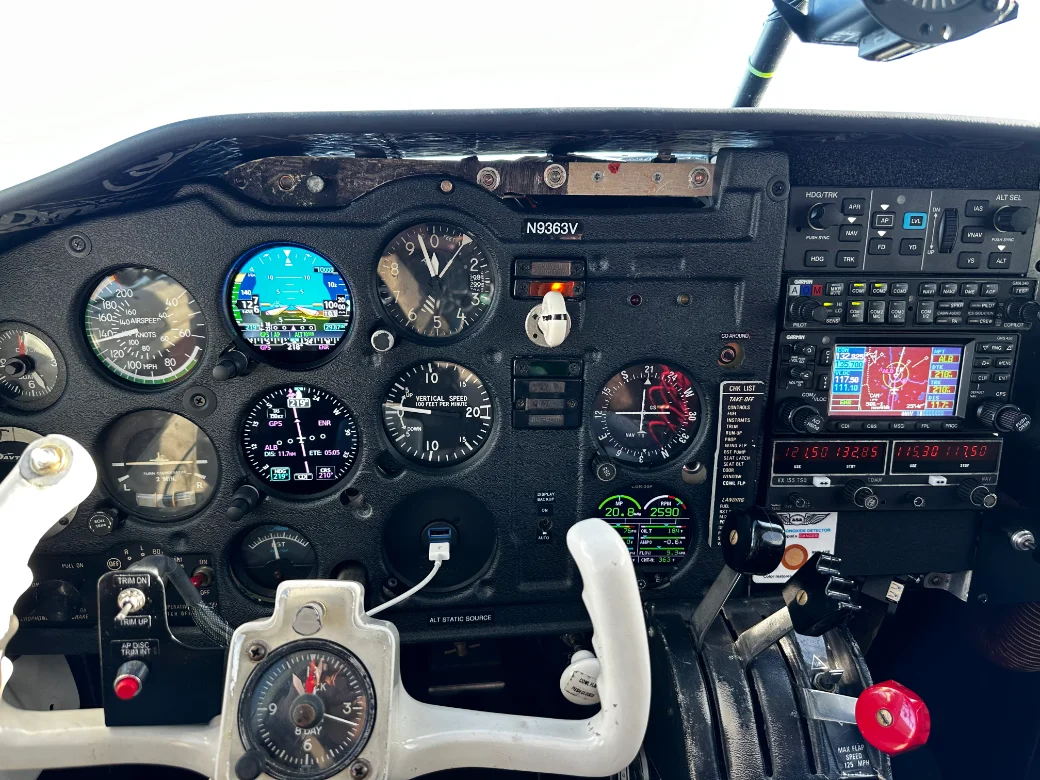
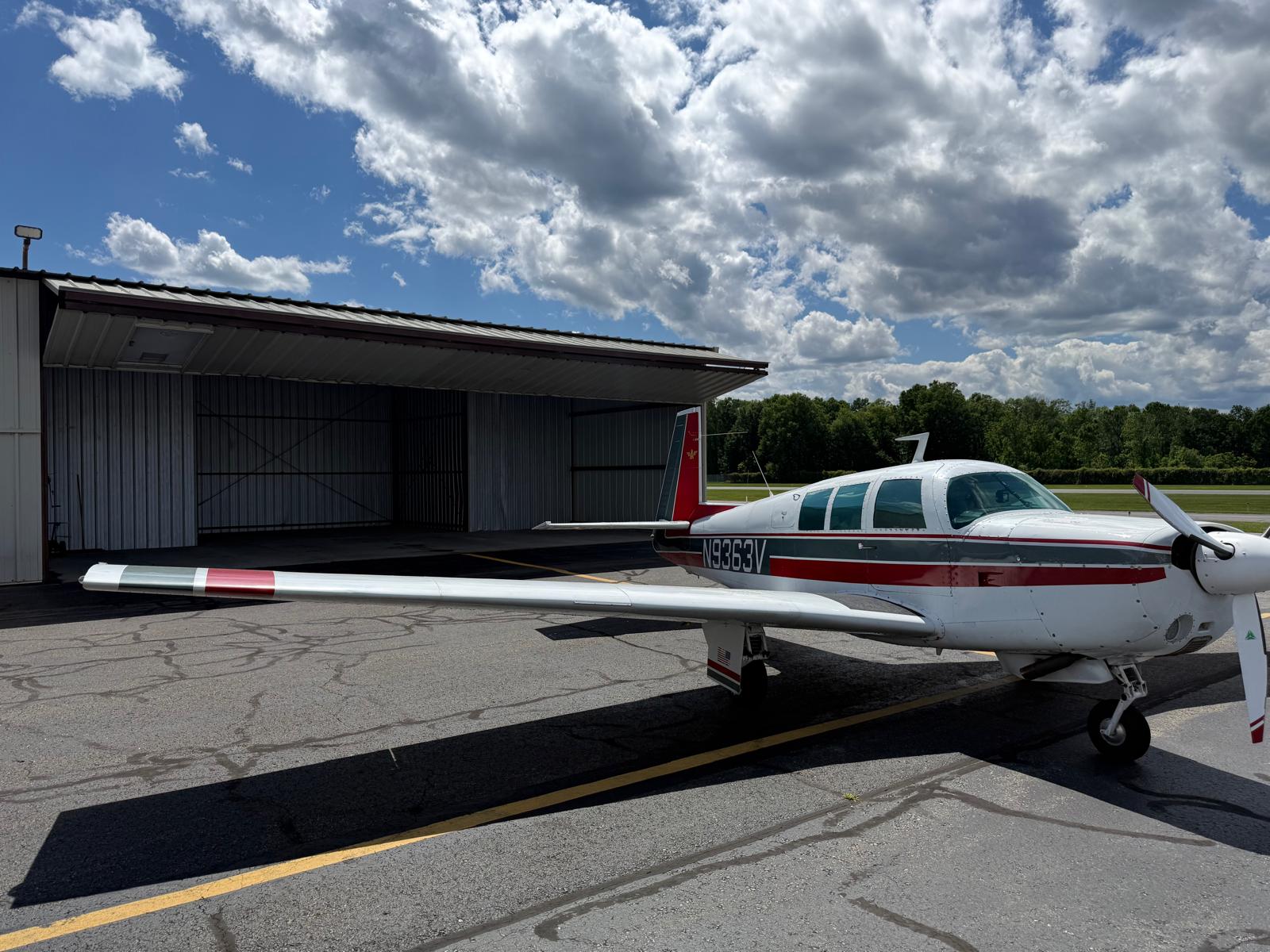
N9363V · Mooney M20F
A working CFI/CFII and ferry pilot who flies the mission, not just the syllabus.
I learned to fly the way I do most things, by going deep. I hold CFI, CFII, commercial single-engine land, and instrument ratings, and I fly a Mooney M20F (N9363V) out of Essex County Airport (KCDW).
Most of my students are after something specific: an instrument rating, a commercial certificate, a complex or high-performance endorsement, or a transition into a Mooney they just bought — the airplane that rewards precision and punishes sloppiness in equal measure. I teach on weekends, in your airplane or sometimes mine, and I treat every flight like it counts. Because it does.
I work with pilots who already know how to fly and want to fly better — or fly something new.
Continental US, with international and cross-border experience. A Mooney specialty, but I've flown many types home.
Bought a plane that isn't where you are? I'll bring it home.
I ferry single-engine aircraft across the continental US, with a specialty in Mooneys — though I've flown many types across the country and across borders. I plan the route, manage the weather and the logistics, and deliver the airplane.
Buying your first complex, high-performance single, or your first Mooney? I'll ferry it home and instruct you in it on the way — so you meet your insurer's training requirement and actually know the airplane before you fly it solo.
Hours, ratings, and types — the short version of what I bring to the right seat and the ferry leg.
The problems I hit in my own hangar and in the right seat, solved in software. Both are free, open source, and built for the pilot who owns the airplane.
Decades of paper airframe, engine, and prop logbooks, read by AI into a searchable index — which then tracks what’s coming due. Inspections, ADs, weight & balance, squawks, and oil-analysis trends, with reminders before anything expires. It’s a decision-support layer, not the legal record: the paper logbooks stay the system of record.
The FAA reference corpus a pilot actually needs, in one hyperlinked offline PDF — handbooks, the ACS, the AIM, 14 CFR, advisory circulars, and Chief Counsel interpretations. Every ACS element links to the regulations and handbook sections behind it, so chasing one checkride item is a couple of taps instead of six browser tabs. Around 6,200 pages, rebuilt automatically when the FAA changes a source. Unofficial.
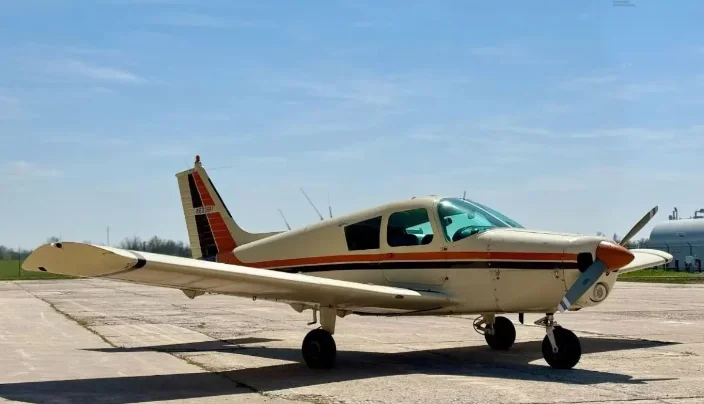
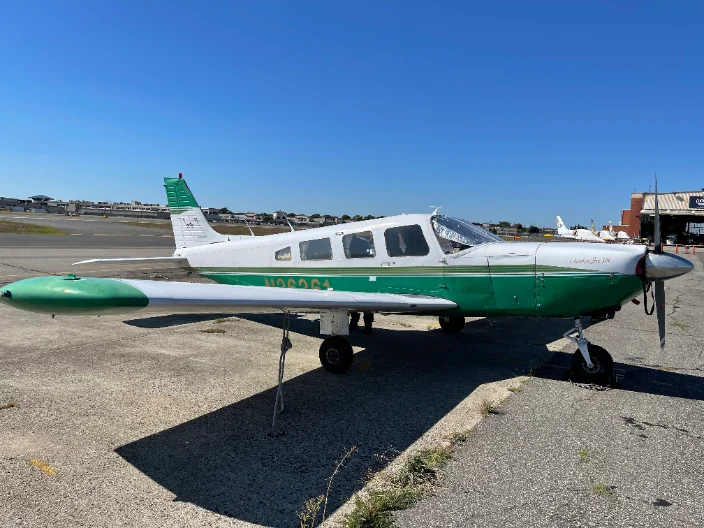
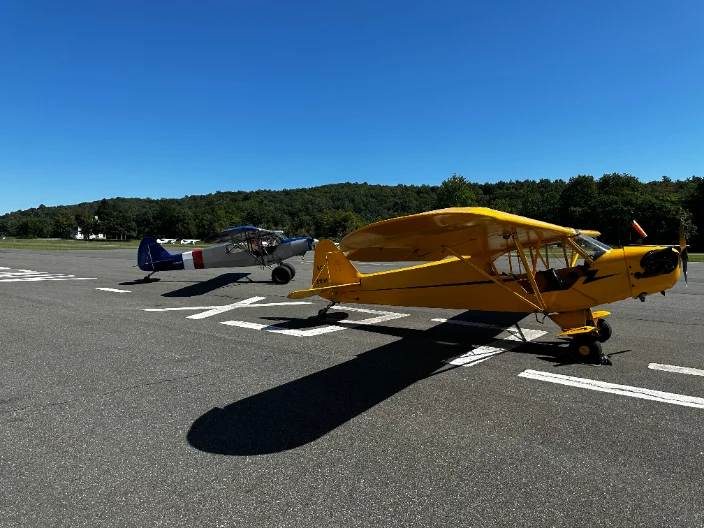
N9363V up front — and the types that built the hours.
My airplane. Fast, efficient, honest. The one I know best.
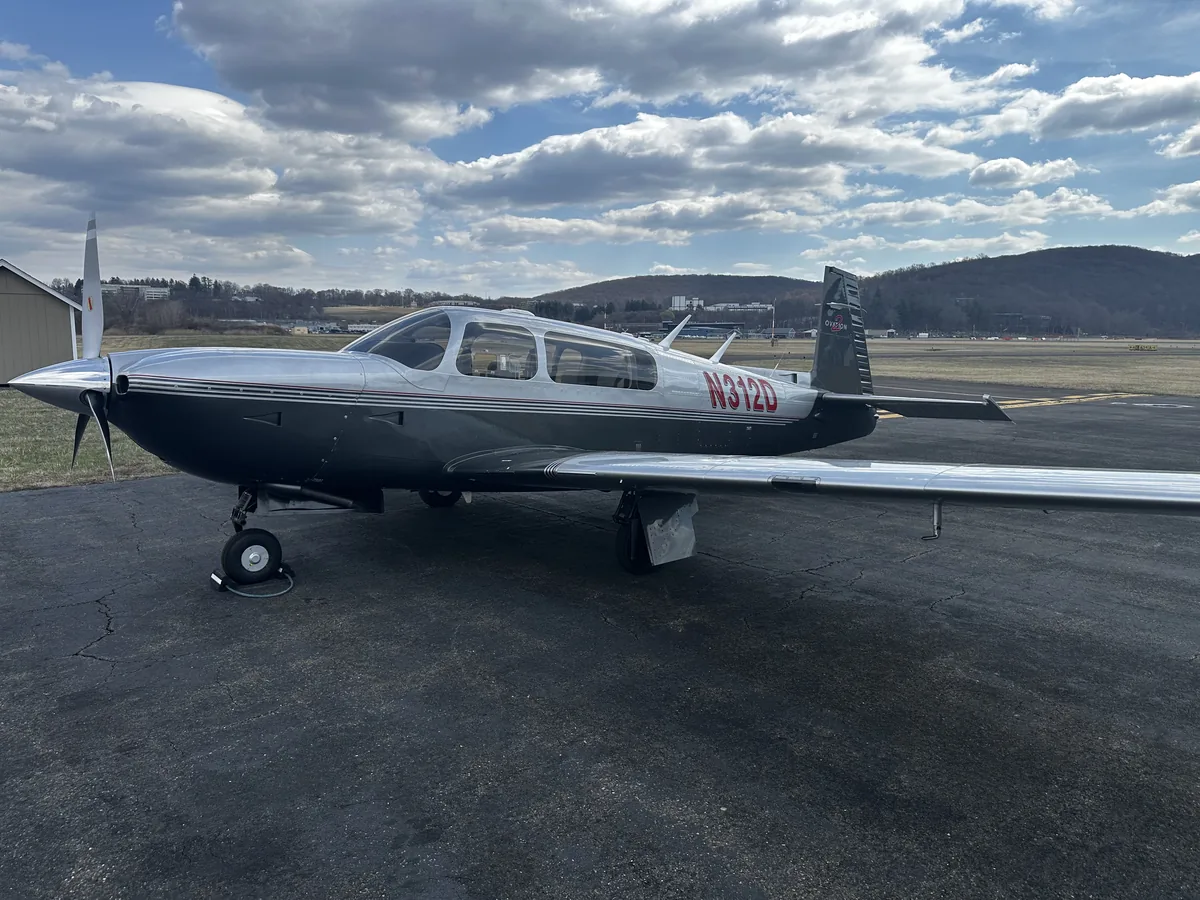
A long-body M20 Ovation3 — more airplane, same precise DNA.
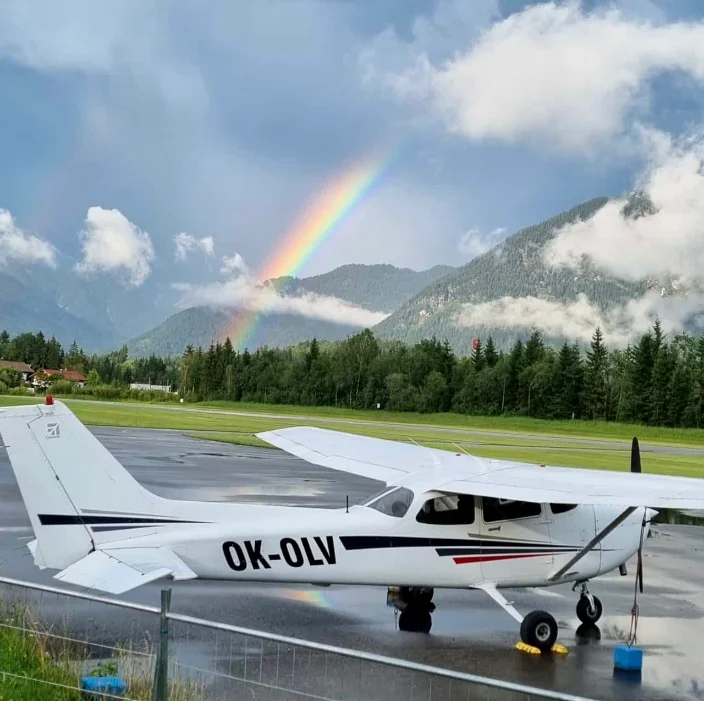
Where most pilots start. Still a great teacher.
Honest and forgiving. A good airplane to learn the system in.
Six seats and real load. A serious cross-country machine.
Stick, rudder, and a tailwheel. The fundamentals, undiluted.
Pilots I've trained and owners whose airplanes I've delivered.
I'd flown for years, but the Mooney was a different animal. Ian got me comfortable and precise faster than I expected, and he never sugarcoated what I needed to fix.
My instrument training finally clicked when Ian started treating every lesson like a real IFR flight instead of a checklist. I passed first try.
Ian ferried my Saratoga across the country and taught me the airplane on the way. By the time it was in my hangar, I actually knew how to fly it.
I fly and teach on weekends. Tell me what you're working toward and where you're based.
Whether it's a rating, an endorsement, a Mooney transition, or an airplane that needs to come home — send me the short version and where you're based, and I'll get back to you.